

Hot Posts2- Page

Articles4 months ago

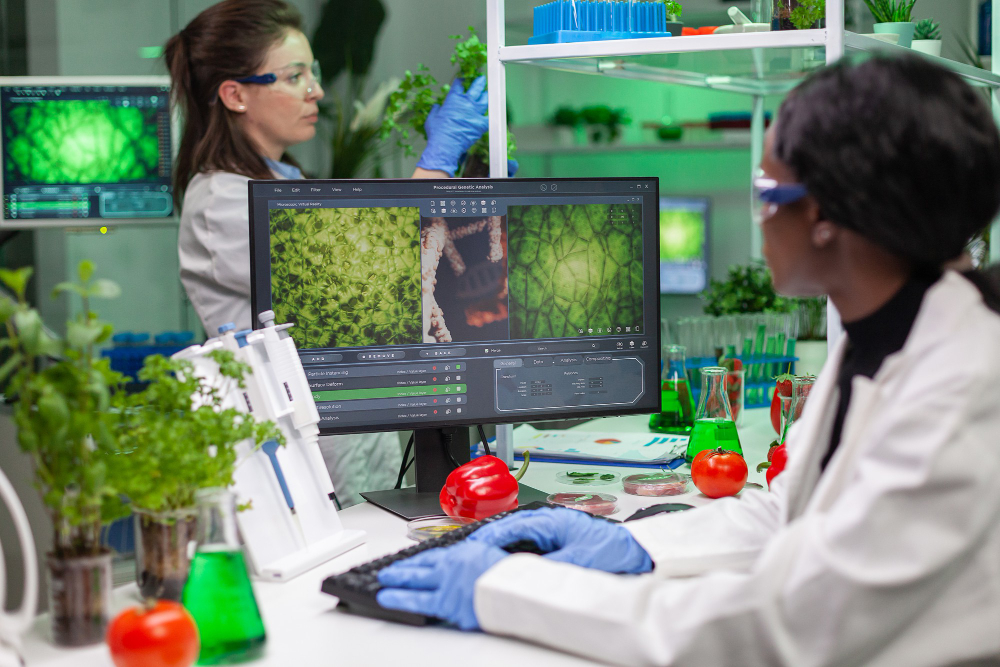
Over the last few decades, advances in genetic research have changed the way we think about human history, offering clues that go far beyond traditional archaeology or written records. By comparing DNA samples from populations around the world, scientists can trace how communities migrated, interacted, and evolved over tens of thousands of years. Instead of relying only on artifacts or bones, researchers now have a molecular record that complements the physical evidence left behind. For example, analysis of genetic markers shows how early humans left Africa and gradually dispersed across continents, encountering and sometimes interbreeding with other hominin groups. These genetic signatures remain within us today, quietly carrying information about events that happened tens of millennia ago. Beyond migration, genetics has also shed light on the ways humans adapted to different environments. Certain gene variations reflect how people developed resistance to local diseases or adjusted to new diets, such as the ability to digest lactose or tolerate high-altitude living. Each of these adaptations tells us something about the challenges faced by our ancestors and the innovative ways the human body evolved in response. What makes this field particularly compelling is how it reframes identity. Genetic research reveals that communities long considered distinct often share deeper connections than expected, highlighting a web of shared ancestry that challenges rigid notions of difference. In this sense, genetics does not just inform us about our biological past—it encourages us to rethink what links us together as one human family.

Articles4 months ago

When we think about cutting-edge technologies—whether it’s data storage, artificial intelligence, or renewable energy—plants are rarely the first models that come to mind. Yet, the natural strategies that allow plants to survive, adapt, and thrive hold remarkable parallels to the systems engineered by humans today. For instance, the way roots grow and branch to efficiently seek out water mirrors the design of decentralized networks, where no single node controls the flow of information but rather a collective intelligence emerges through many small, adaptive decisions. Similarly, chloroplasts converting sunlight into usable energy echo the core principles of solar panels, though plants accomplish this with a grace and efficiency researchers are still striving to fully replicate. Even the way plants respond to threats can feel familiar when compared to cybersecurity: chemical signals act like warning systems, alerting neighboring cells—or even entire neighboring plants—to brace for stress, much like digital firewalls sharing intelligence about potential attacks. Beyond survival, the communication strategies of plants are extraordinary. Roots exchange signals with fungi in a symbiotic “internet of the forest,” demonstrating a highly complex and cooperative form of data exchange that rivals our own online infrastructure. These natural systems push us to rethink innovation, showing that many of the problems we frame as new challenges have already been solved, in elegant ways, by evolution. By studying these parallels with care, we not only expand our technological imagination but also deepen our appreciation for the ingenuity embedded in the living world that surrounds us. Character count: 1,405

Articles4 months ago

The architectural details of historic European cities are more than decorative flourishes; they are visual records of cultural exchange, political shifts, and evolving ideas about beauty and function. Walking down winding streets in Prague, Florence, or Bruges, one notices how carvings, arches, and facades whisper different stories depending on the era in which they were built. A Gothic cathedral’s flying buttresses, for example, are not only feats of engineering but also evidence of a time when faith and grandeur were inseparable from civic identity. Renaissance palaces with their symmetrical proportions reflect the rediscovery of classical ideals, while Baroque ornamentation demonstrates the desire to impress, persuade, and sometimes overwhelm citizens through spectacle. Even the common cobblestones underfoot speak to centuries of trade, labor, and continuity. What may appear to the casual observer as charming irregularities are often deliberate choices, revealing how cities adapted to geography, weather, and the needs of their inhabitants. Narrow alleyways carry the imprint of medieval defense strategies, just as large open squares symbolize periods of prosperity and social gathering. Over time, these layers have been preserved, altered, or reinterpreted, creating urban tapestries that connect past generations with the present. To look closely at cornices, doorways, balconies, or ironwork is to uncover messages left by artisans, rulers, and communities, each seeking permanence in a world that constantly changes. In this sense, the streets and skylines of Europe are not merely backdrops for tourism—they are enduring texts, available for anyone willing to pause and read their language of stone, wood, and light. Character Count: 1,428

Articles4 months ago

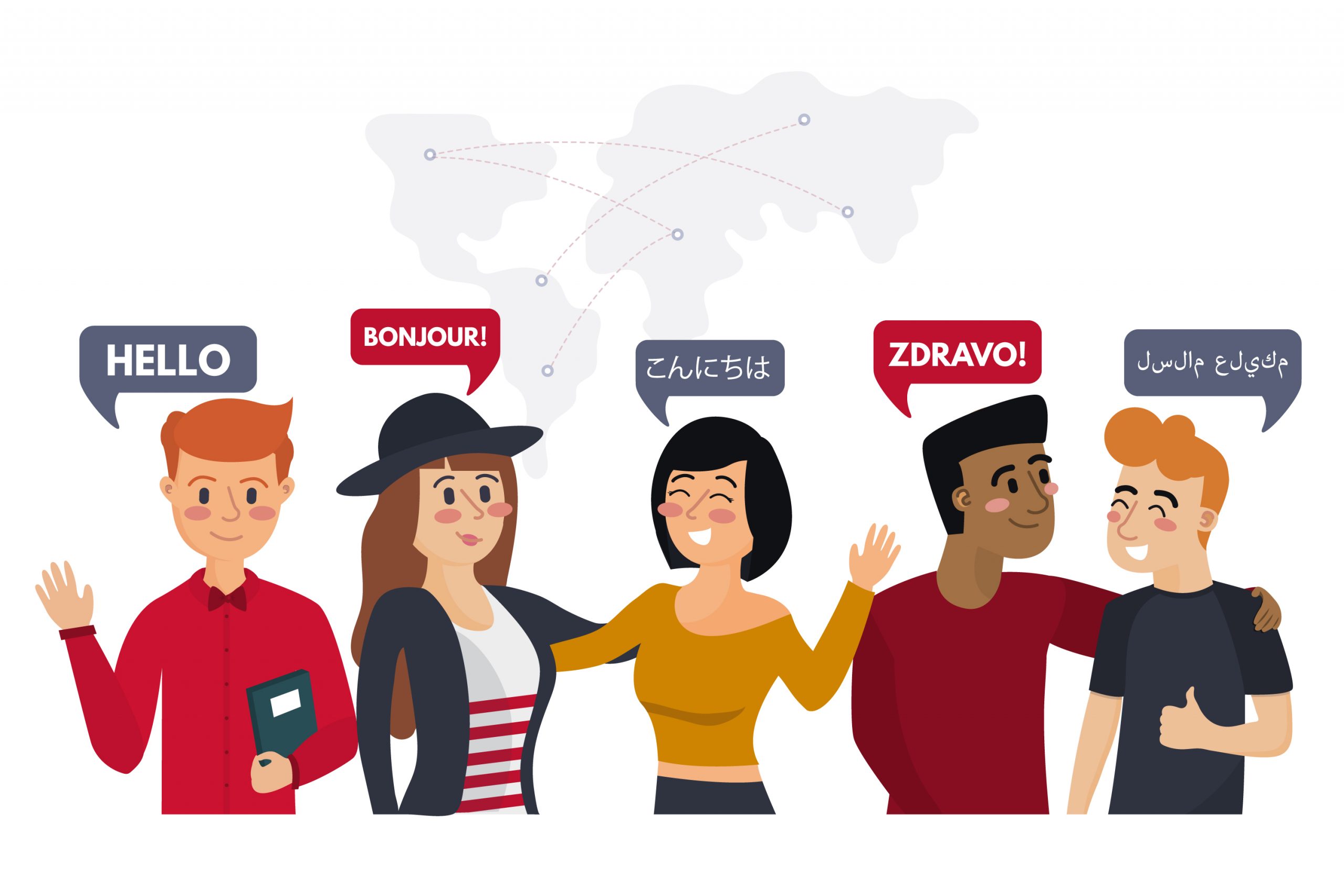
When we think about language, it is often reduced to a simple tool: a way to label objects, convey information, or share feelings. Yet, decades of research suggest that the language we speak does far more than facilitate communication—it influences the very way we perceive reality, categorize experiences, and even make decisions. In some cases, it can guide our attention toward what is most important in our surroundings, while in others it changes how we conceive of time, space, or personal responsibility. Consider how in Japanese and Korean, levels of politeness are woven into the grammar itself, shaping everyday interactions by requiring speakers to pay attention to social hierarchy. Or reflect on how speakers of Russian, who have multiple distinct words for different shades of blue, tend to distinguish between those hues more quickly than English speakers. Even the way languages treat time differs: Mandarin often employs vertical metaphors for time—talking about the past as “up” and the future as “down”—while English typically uses horizontal metaphors, with the past “behind” and the future “ahead.” These differences may seem subtle, but they accumulate to produce distinctive mindsets across cultures. Far from being arbitrary, words and structures continually guide our thought patterns, influencing how we see others, how we experience emotions, and how we interpret the world around us. By exploring these examples from diverse countries, it becomes clear that language is not simply a mirror of thought, but rather a lens that actively shapes what enters our minds and how we judge its meaning. Character count: 1591

Sidebar Search Trending
Popular Now
Loading

Signing-in 3 seconds...

Signing-up 3 seconds...