

Now Reading: Travis Dhanraj: Political Journalism, Broadcasting and Reporting in a Changing Canadian Media Environment
-
01
Travis Dhanraj: Political Journalism, Broadcasting and Reporting in a Changing Canadian Media Environment
Travis Dhanraj: Political Journalism, Broadcasting and Reporting in a Changing Canadian Media Environment

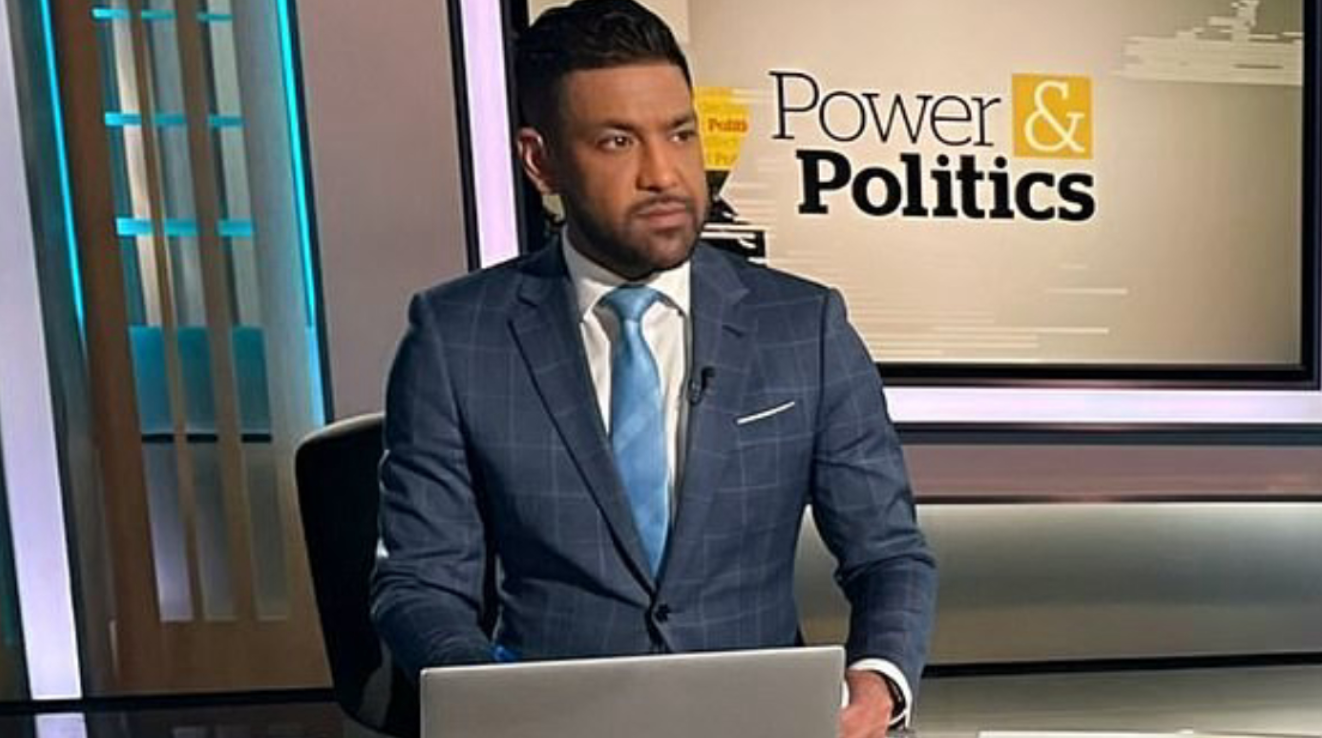
Travis Dhanraj is a Canadian journalist and broadcaster known primarily for his coverage of politics, public affairs, and major national stories. His career has included work across television, digital journalism, and political reporting, placing him in an industry undergoing significant transformation as traditional broadcasting adapts to changing audience habits and new forms of media distribution.
Dhanraj developed his journalistic career through a variety of reporting assignments before becoming particularly associated with political coverage. Political journalism requires reporters to operate at the intersection of government policy, electoral strategy, public communication, and institutional accountability. Reporters must understand not only what political leaders say but also the legislative and strategic context surrounding their statements.
Over the course of his career, Dhanraj has worked for major Canadian news organizations and has covered important developments at both provincial and federal levels. His work has included reporting from political institutions and interviewing politicians, officials, and other individuals involved in public affairs.
One of the central responsibilities of political journalism is translating complicated policy decisions into information that general audiences can understand. Government announcements frequently involve legislation, budgets, regulations, and administrative details that can be difficult to communicate within the limited time available in television or digital news.
Journalists covering politics must therefore determine which elements of a story have the greatest practical significance. They also need to distinguish political messaging from measurable policy consequences. This becomes especially important during election campaigns, when parties compete aggressively to define both their own records and those of their opponents.
Dhanraj’s career has unfolded during a period when relationships between politicians and journalists have become increasingly complicated. Social media allows political figures to communicate directly with supporters, reducing their dependence on traditional news organizations. At the same time, journalists can use digital platforms to distribute reporting immediately and interact directly with audiences.
The result is a faster and often more confrontational information environment. Statements made during interviews can circulate online within minutes, while reporters themselves can become subjects of public discussion. Political journalists are consequently required to navigate professional scrutiny from audiences, politicians, activists, and competing media organizations.
Canadian journalism has also experienced significant economic pressures. Newsrooms have faced restructuring as advertising revenue shifts toward digital platforms and audiences increasingly consume information through online services. These changes have altered how journalists work and how news organizations attempt to maintain public relevance.
Within this environment, political reporting continues to serve an important democratic purpose. Governments control significant public resources and make decisions affecting taxation, healthcare, immigration, infrastructure, economic policy, foreign relations, and numerous other areas of daily life. Independent reporting provides a mechanism through which these decisions can be examined and challenged.
Dhanraj’s professional trajectory also illustrates the increasingly fluid nature of modern journalism. Reporters are no longer necessarily associated with a single medium throughout their careers. Television journalists may simultaneously produce digital stories, appear on podcasts, publish social-media updates, and participate in live political analysis.
Travis Dhanraj represents a generation of Canadian journalists working through this transition. His career in political and public-affairs reporting demonstrates both the continuing importance of traditional journalistic skills and the need to adapt those skills to an increasingly fragmented media environment.